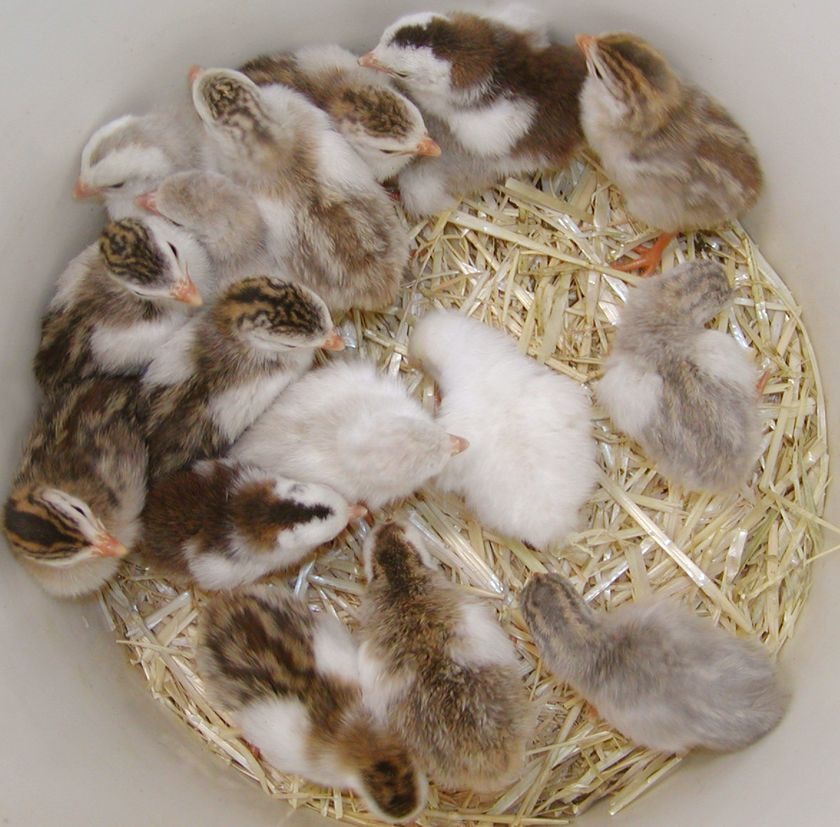
Guinea fowl eggs require 26-28 days to hatch — slightly longer than chicken eggs. With proper temperature, humidity, and turning, you can achieve excellent hatch rates even with shipped eggs. This guide covers everything from setting up your incubator to caring for newly hatched keets.
Quick Reference
Before You Begin: Preparation
Incubator Setup (24+ Hours Before)
- Place incubator in a quiet, draft-free room away from direct sunlight
- Keep away from children and pets to avoid disturbances
- Run the incubator for at least 24 hours to stabilize temperature before adding eggs
- Verify thermometer and hygrometer accuracy
For Shipped Eggs (Important!)
- Let eggs rest 24 hours at room temperature before incubating — this prevents shell cracking and allows air cells to settle
- Store pointed-end down in an egg carton during rest period
- Eggs can be held up to 10 days before incubating if needed — rotate carton elevation every 12 hours
Mark Your Eggs
Use a soft pencil (not marker — it can leach through the shell) to mark one side with an X and the other with an O. This helps you:
- •Track manual turning to ensure all eggs are rotated properly
- •Verify automatic turners are working correctly
Temperature Settings
Temperature is the most critical factor for successful hatching. Even small deviations can affect hatch rates and keet health.
Forced-Air Incubator (With Fan)
Acceptable range: 99-100°F
Most common type — fan circulates air evenly
Still-Air Incubator (No Fan)
Measured at top of eggs
Higher setting compensates for uneven heat distribution
Temperature Warnings
- Above 102°F: Can cause early embryo death or deformities
- Below 98°F: Slows development, may prevent hatching
Humidity Levels
Proper humidity allows the egg to lose the right amount of moisture during incubation. Too high or too low humidity can prevent hatching.
| Phase | Days | Humidity | Why |
|---|---|---|---|
| Incubation | 1-25 | 45-50% | Allows proper moisture loss through shell |
| Lockdown | 25-28 | 65-70% | Higher humidity helps keet break through membrane |
Humidity Tips
- Add water to your incubator's reservoir as needed — check daily
- In dry climates, you may need to add extra water trays or sponges
- In humid climates, reduce water surface area or increase ventilation
Egg Turning (Days 1-25)
Turning prevents the embryo from sticking to the shell membrane, which can cause death. Turn eggs at least 3 times per day (every 8 hours), though 5 times per day (every 6 hours) produces better hatch rates.
Manual Turning
- • Rotate eggs 180° each time (X up → O up)
- • Turn an odd number of times daily
- • Ensure egg rests on a different side overnight
- • Use your marked X and O to track turns
Automatic Turner
- • Set to turn every 1-4 hours
- • Check daily that it's working (watch for X/O position changes)
- • Remove eggs from turner on day 25
Stop Turning on Day 25!
On day 25, stop all turning. The keet needs to position itself inside the egg for hatching. Continued turning can disorient them and prevent successful pipping.
Candling: Checking Development
Candling lets you see inside the egg using a bright light. This helps identify developing embryos and remove eggs that aren't viable. Candle on day 7 and day 14.
Day 7: First Candling
What you should see in fertile, developing eggs:
- ✓Dark spot (embryo) with blood vessels radiating outward
- ✓Network of red veins visible
- ✓Air cell visible at wide end
Day 14: Second Candling
What you should see:
- ✓Larger dark mass filling much of the egg
- ✓Possible movement when candling
- ✓Larger air cell at wide end
Remove These Eggs:
Lockdown Phase (Days 25-28)
Day 25 Checklist
- Stop turning — turn off automatic turner or stop manual turns
- Increase humidity to 65-70% — add more water to reservoirs
- Lay eggs on their sides — remove from turner racks if applicable
- Do not open the incubator until hatching is complete
What to Expect
- Day 25-26:Eggs may start “pipping” — small crack or hole in shell
- Day 26-28:Keets fully hatch, usually within 24 hours of pipping
- After hatch:Keets will be wet — they'll dry and fluff up in the incubator
Patience is Key!
Do not help keets hatch unless absolutely necessary. Opening the incubator drops humidity and can cause other eggs to fail. Newly hatched keets can survive up to 24 hours without food or water while waiting for siblings.
After Hatching: Caring for Keets
Moving to the Brooder
- Wait until keets are completely dry and fluffy before moving
- Brooder temperature: 95°F for first week, decrease 5°F weekly
- Provide water in shallow dish with bright marbles to encourage drinking and prevent drowning
- Feed turkey starter or high-protein game bird starter (28% protein)
Clean Your Incubator
After all keets have hatched and moved to the brooder, clean your incubator thoroughly using a 1:10 bleach/water solution. Allow to air dry completely before storing or starting a new batch.
Troubleshooting Common Problems
| Problem | Likely Cause | Solution |
|---|---|---|
| Many clear/infertile eggs | Eggs too old, poor fertility, shipping damage | Use fresh eggs, buy from reputable source |
| Blood rings at day 7 | Temperature too high/low, shipping trauma | Verify thermometer accuracy, let shipped eggs rest |
| Embryos die late (days 20+) | Humidity too high or too low | Monitor humidity carefully, increase during lockdown |
| Keets pip but don't hatch | Humidity too low during lockdown | Ensure 65-70% humidity, don't open incubator |
| Weak or deformed keets | Temperature fluctuations, insufficient turning | Maintain stable temp, turn at least 3x daily |
Ready to Start Hatching?
Our guinea fowl eggs are collected fresh daily and shipped Priority Mail for maximum fertility. We consistently see 80-90% fertility rates from our free-range flock.
Shop Guinea Hatching EggsFrequently Asked Questions
How long do guinea fowl eggs take to hatch?
Guinea fowl eggs take 26-28 days to hatch, which is slightly longer than chicken eggs (21 days). Most eggs will pip on days 25-26 and fully hatch within 24 hours of the first pip.
What temperature should I incubate guinea eggs at?
For forced-air incubators (with a fan), maintain 99.5°F. For still-air incubators, set to 100-101°F measured at the top of the eggs. These temperatures are critical for successful hatching.
What humidity do guinea eggs need?
Maintain 45-50% humidity for days 1-25, then increase to 65-70% during lockdown (days 25-28). Higher humidity during lockdown helps the keets break through the membrane during hatching.
How often should I turn guinea eggs?
Turn eggs at least 3 times per day (every 8 hours) during days 1-25. Turning 5 times per day (every 6 hours) produces better hatch rates. Stop all turning on day 25 for lockdown.
When should I candle guinea eggs?
Candle on day 7 and day 14. On day 7, look for blood vessels and a dark embryo spot. On day 14, you should see a larger dark mass and possibly movement. Remove any clear, infertile eggs or eggs showing blood rings.
Can I hatch shipped guinea eggs?
Yes! Let shipped eggs rest for 24 hours at room temperature before incubating. Store them pointed-end down during this time. This allows the air cell to settle after shipping and prevents cracked shells.
What do I feed newly hatched guinea keets?
Feed guinea keets turkey starter or high-protein game bird starter (28% protein). Provide water in a shallow dish with bright marbles to encourage drinking and prevent drowning. Start brooder at 95°F.