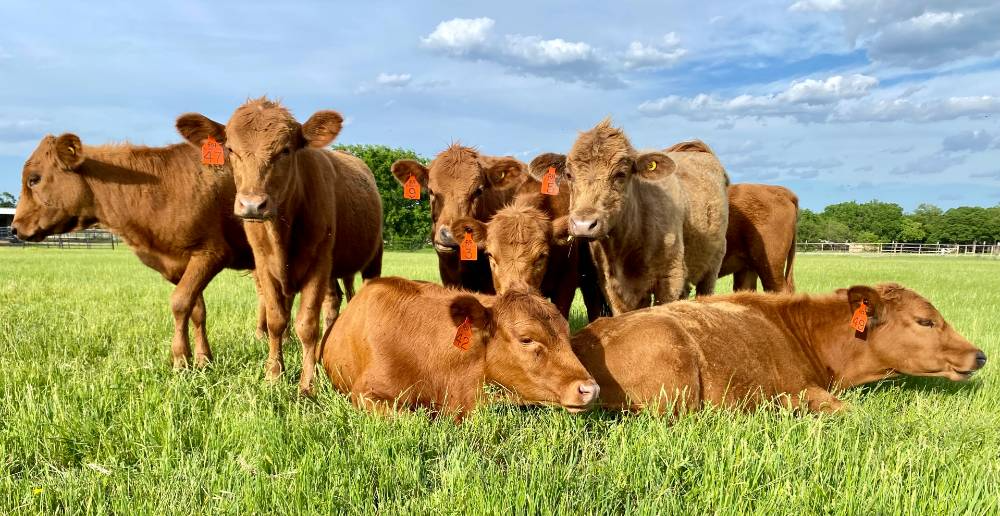
The Dexter is one of the smallest cattle breeds in the world, but its history is as rich as the rugged Irish landscape where it was born. Known as the “poor man's cow”, this remarkable breed has survived near-extinction to become a beloved choice for small farms and homesteaders around the globe.
A Timeline of the Dexter Breed
The Beginning
A man named Christopher Dexter arrives in Ireland around 1750, working as an agent (factor) for Lord Hawarden on Valentia Island in County Kerry. He begins selectively breeding the hardiest mountain cattle from southwestern Ireland.
Commissioned by Nobility
Lord Hawarden, the Earl of Dundrum, commissions Dexter to develop a smaller, more resilient breed. Dexter selects cattle from Ireland, England, Scotland, and Wales—choosing animals for hardiness and efficiency rather than size.
Arrival in England
Dexters are brought to England, where they gain popularity among small landholders and eventually help preserve the breed when it nearly vanishes from Ireland.
First Official Registration
The Farmer's Gazetteof Dublin publishes the first register of “Pure Kerry Cattle and Dexters” in January 1887. Only 10 Dexter cows (and no bulls!) are recorded—showing how rare the breed had become.
English Society Formed
The English Kerry and Dexter Cattle Society is organized, followed by the English Herd Book beginning publication in 1900. This formalization helps standardize and preserve the breed.
American Club Established
The American Kerry and Dexter Cattle Club is formed. Notable breeders like Mrs. James J. Hill of Minnesota establish herds, helping the breed gain a foothold in North America.
Global Renaissance
Dexters are now raised in 16 countries across Africa, the Americas, Europe, and Oceania. The breed has found new popularity among homesteaders and small-scale farmers seeking sustainable, efficient cattle.
Born in the Mountains of Kerry
The rugged mountains of County Kerry in southwestern Ireland shaped the Dexter breed. Small landholders in these harsh, mountainous districts needed cattle that could:
- •Survive on limited, poor-quality forage
- •Withstand harsh weather and rocky terrain
- •Provide both milk and meat for the family
- •Be maintained with minimal resources
Christopher Dexter answered this need by selecting the smallest, hardiest specimens from the native Kerry cattle and breeding them for efficiency rather than size. The result was a stockier, heavier-boned animal that became known as the “poor man's cow”—a single animal that could sustain an entire family.
Dexters vs. Kerry Cattle: What's the Difference?
For most of their history, Dexters weren't considered a separate breed at all—they were simply the shorter specimens within the Kerry cattle population. It wasn't until cattle registries began operating in Ireland and England that the two became formally distinguished:
Kerry Cattle
- • Taller and more slender
- • Primarily dairy breed
- • Fine-boned structure
- • Black in color
- • One of the oldest breeds in Europe
Dexter Cattle
- • Shorter and more compact
- • True dual-purpose (milk & beef)
- • Stocky, heavy-boned structure
- • Black, red, or dun colors
- • Better suited for small farms
Near-Extinction and Revival
The Dexter virtually disappeared from Ireland during the 19th and 20th centuries. As the Irish government began subsidizing larger continental cattle breeds, farmers abandoned the small Dexter in favor of bigger animals that brought higher prices at market.
Ironically, it was England and the United States that saved the Dexter from extinction. Small herds maintained by dedicated breeders in these countries preserved the pure bloodlines while the breed faded from its homeland.
Today, there's a renewed appreciation for heritage breeds and sustainable farming. Dexters have made a remarkable comeback, prized by homesteaders for the same qualities that made them invaluable to Irish farmers centuries ago: efficiency, hardiness, and dual-purpose production.
Why Dexters Matter Today
The same qualities that made Dexters perfect for 18th-century Irish farmers make them ideal for modern sustainable agriculture:
🌱 Regenerative Grazing
Their light weight and efficient grazing make them perfect for rotational grazing systems that improve soil health.
🏠 Homestead-Sized
Small enough to manage safely on small acreage, yet productive enough to feed a family.
💰 Feed Efficient
Convert grass to meat more efficiently than larger breeds, reducing input costs.
🥩 Exceptional Beef
Well-marbled, tender beef with rich flavor—often compared to premium aged beef.
Taste the Heritage
We raise purebred Dexter cattle on our Texas farm using regenerative practices. Our beef is 100% grass-fed and grass-finished—no hormones, no antibiotics, no feedlots.
Shop Dexter BeefFrequently Asked Questions
Where did Dexter cattle originate?
Dexter cattle originated in County Kerry, southwestern Ireland, in the 18th century. They were developed by Christopher Dexter, an agent for Lord Hawarden, through selective breeding of the hardiest Kerry mountain cattle.
Why are they called the “poor man's cow”?
Dexters earned this nickname because small landholders in harsh Irish mountain districts could maintain them on limited resources. A single Dexter could provide both milk and meat for an entire family while requiring less feed and land than larger breeds.
How big do Dexter cattle get?
Dexters are one of the smallest cattle breeds. Cows typically stand 36-42 inches at the shoulder and weigh 600-700 pounds. Bulls stand 38-44 inches and weigh 800-1000 pounds. Despite their small size, they produce excellent beef.
Are Dexters good for small farms?
Dexters are ideal for small farms and homesteads. Their small size makes them easier to handle, they require less acreage per animal, they're efficient grazers, and they're dual-purpose (both milk and meat). Their gentle temperament also makes them safer around children.
When did Dexter cattle come to America?
Dexters were first imported to the United States in the early 1900s. The American Kerry and Dexter Cattle Club was established in 1911. Today, there are thriving Dexter herds across North America.